
October 1883. Cape Sabine. The Greely Expedition has just reached land after fifty days adrift on the ice. Twenty-five men, still believing rescue is possible, build a makeshift shelter when a two-man scout crew returns with a letter: their relief ship, the Proteus, crushed by ice, has sunk. The scouts find three small food caches — enough for only a few weeks. Lieutenant Greely halves the rations. Winter closes in. Sergeant Brainard later writes of this period: “This constant expectancy of death, at first a sharp, dreadful trial, gradually passed into a vague and deadening feeling.”
Sergeant William Cross dies first, succumbing to scurvy and malnutrition. They shrimp the bay for scraps and eat moldy dog biscuits. They continue to weaken. More die. By the final weeks, what little remaining food they have starts disappearing; one man is accused of theft and executed. Twenty-five men left Newfoundland in the summer of 1881, and up to this point, they had not just survived but thrived. They peer south, watching for rescue. None of them know yet which phase they’re in. The long middle? Or the desperate end?
Stuck in the Middle assumes you know it’s the middle. For any long-arc project or goal — an Arctic expedition, an album, a startup — the harder question asks: Is this the middle, or is this the end? Greely’s crew faced that question for three years. So does any founder or creative deep in the heart of their goal pursuit.
The hardest part of a long-arc project isn’t the middle. It’s not knowing whether you’re in the middle or already at the end. The answer can’t be found through introspection, felt sense, or even data. Because you’re inside the pursuit, the same evidence fits both stories. You might be in a middle phase rising toward a peak. You might be in a middle phase collapsing toward an end. From inside, they look identical. Only time tells them apart.
The Greely Expedition: What We Know Now
As Buddy Levy retells in Labyrinth of Ice, the Greely Expedition was a multi-year scientific mission to take continual measurements from the Arctic and explore.
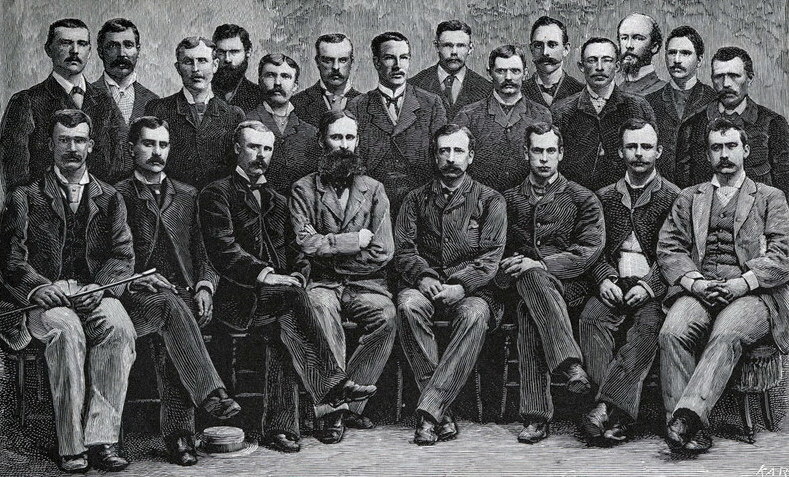
In July 1881, Lieutenant Greely and his crew of 24 set out aboard the Proteus for Lady Franklin Bay. They arrived in August, unloaded 350 tons of supplies, and built Fort Conger — their base for a two-year scientific mission.
The first year was a kind of Arctic flourishing. The men took continual measurements with the most advanced instruments of the age. They celebrated holidays, ran a short-lived newspaper, hosted lectures, made sledge explorations. The hunters led by local Greenlander Jens Edward kept them in a healthy supply of fresh meat too. Capping what had been one of the most ambitious Arctic expeditions to date, in May 1882, a small party under Lockwood and including Greenlander Fred Christiansen reached a new Farthest North — extending the known coast of Greenland by a hundred miles.
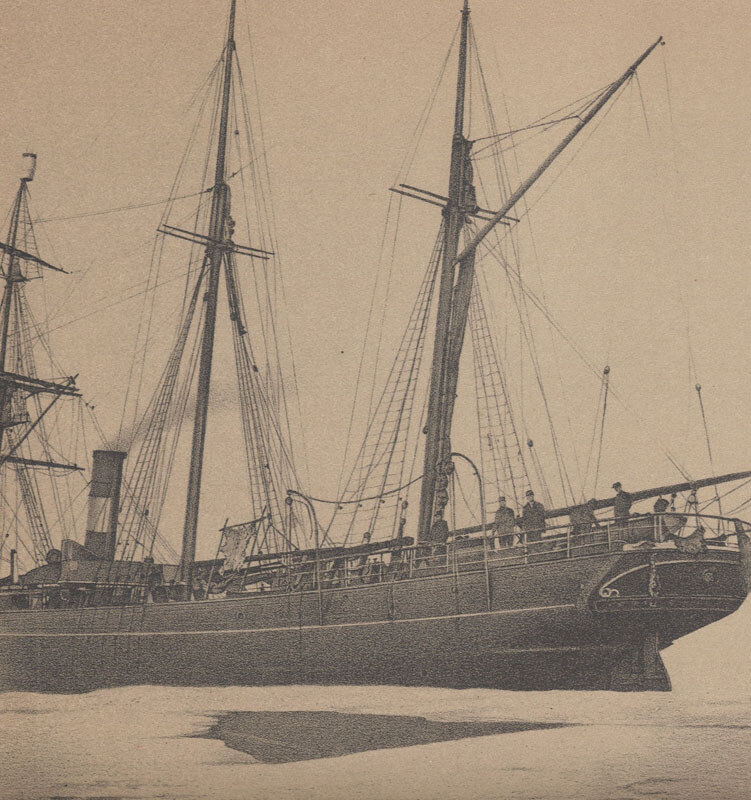
In the summer of 1882, the crew hit their first patch of bad luck. The expected resupply boat Neptune left late from St. John’s, and ice prevented her from reaching the bay. As planned, supplies were dropped 250 miles south at Cape Sabine. As the days shortened, the men continued their measurements as the monotony wore on and tensions grew. Their eyes drifted south, watching for sails that didn’t come.
By the summer of 1883, the relief ship Proteus still hadn’t arrived. Greely ordered Fort Conger abandoned — along with the dogs and most of their supplies. The crew had to venture south across the frozen seas if they hoped to escape. Using boats, sledges, and manpower, they inched south, often at the mercy of the ice floes. Seven weeks later, they reached land.
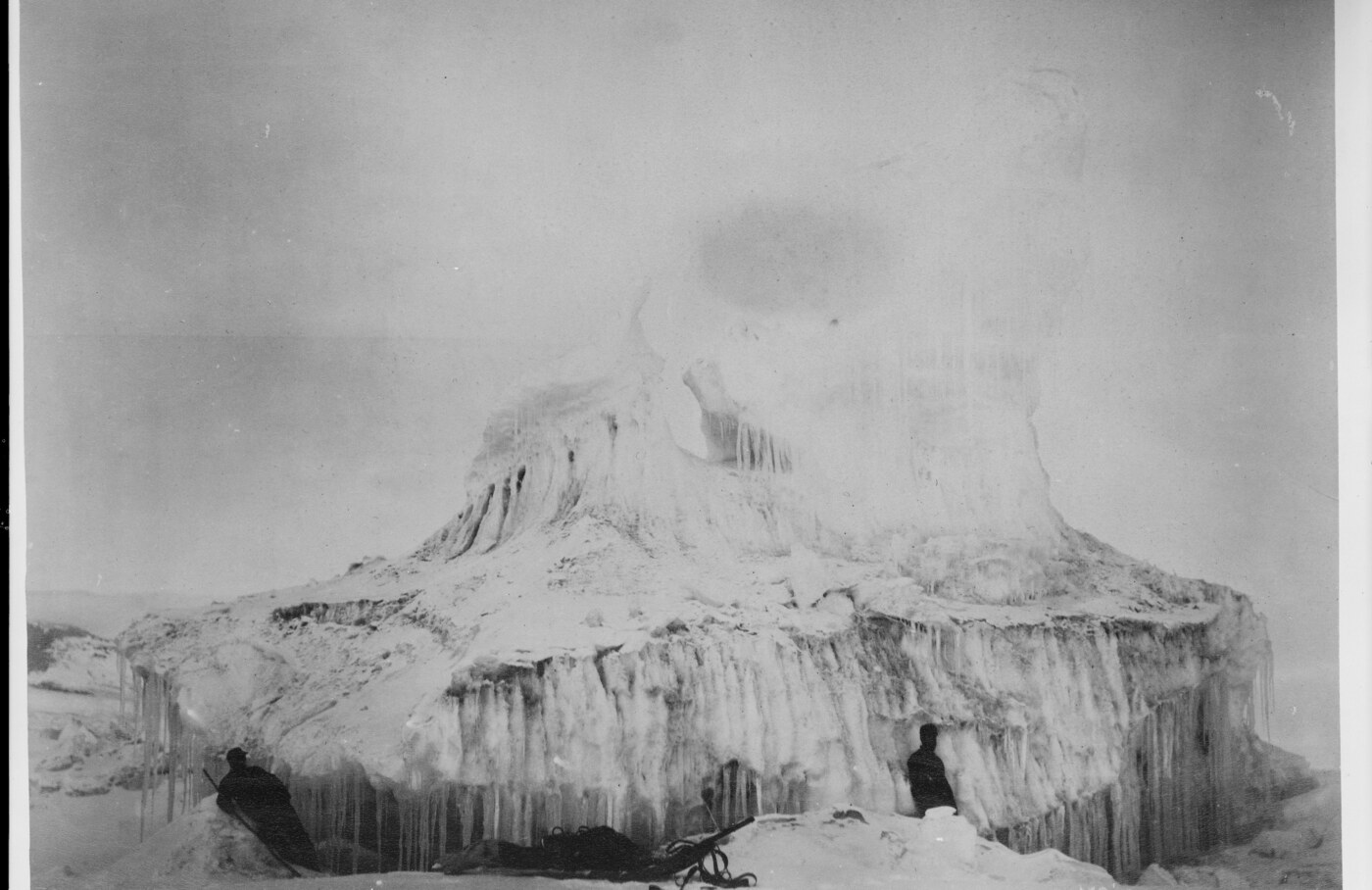
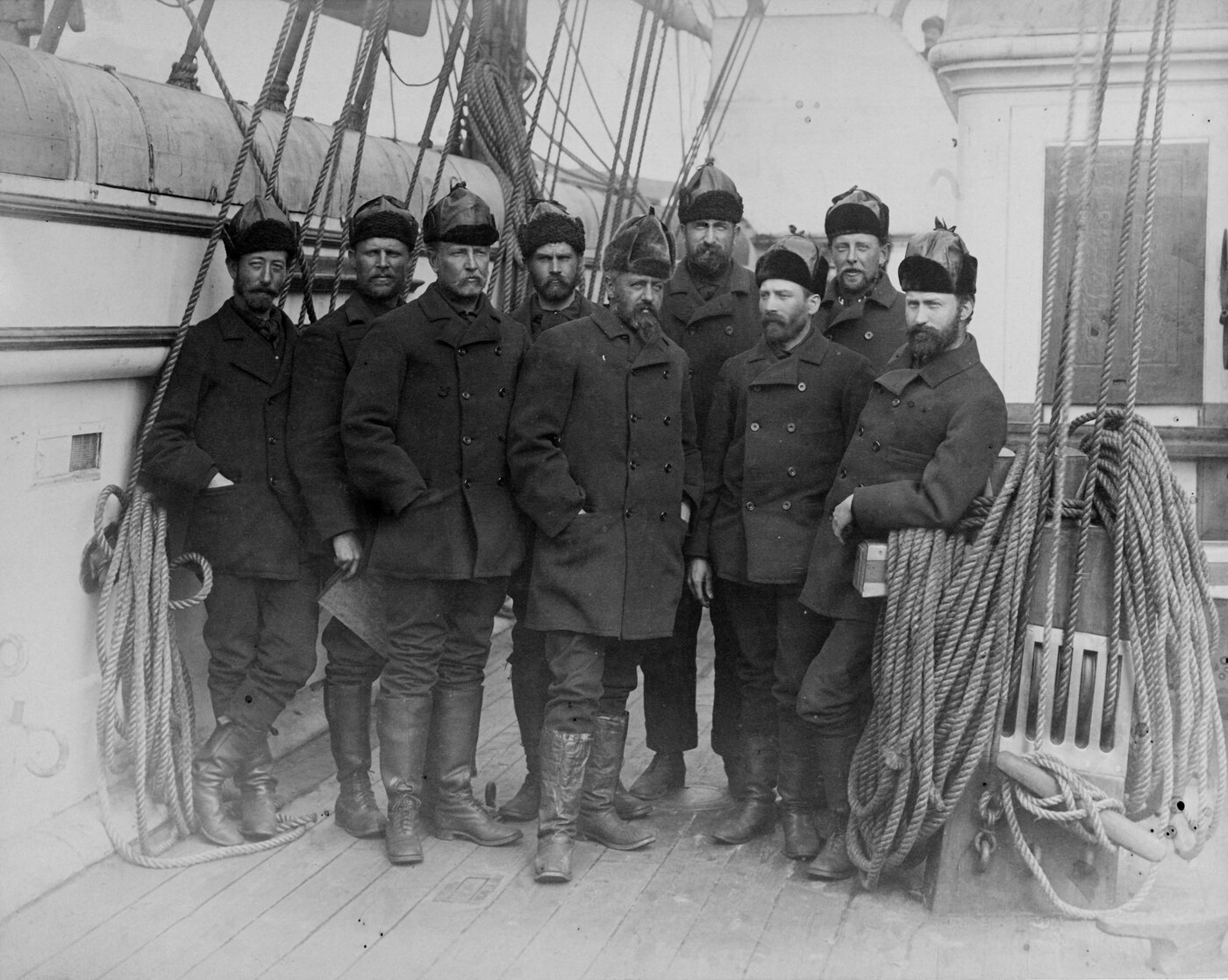
And then came Camp Clay, the eight months already seen at the start of this post.
On June 22, 1884, Commander Schley’s Navy rescue mission reached Cape Sabine. Seven men were still alive. Six survived the voyage home — Corporal Ellison succumbed to frostbite during the return. Of the twenty-five men who left Newfoundland three years earlier, six came home.
Seas of Ambiguity: Three Moments of Navigating Phase Identification
From time to time, Greely’s crew must have asked themselves some version of this question: Where am I at in this story? Is this the long middle or have I arrived at the desperate end? Iced-in and lacking a means of long-distance communication, three times across three years Greely had to read their phase with incomplete information. Each time, the wrong read could have killed them.
August 1882.
As their first full year at Fort Conger in the Arctic ended and the likelihood decreased of the resupply boat’s arrival, the crew knew they needed to stay the course with plenty of supplies, steady leadership and no major mishaps or fatalities so far. They continued to take measurements, explore and hunt.
The missing ship was a setback, not a verdict on their fate. They had a year of contingency built into the original plan, and supplies for two more years. Greely navigated social unrest, required daily physical exercise even during the long winter, and encouraged hobbies. The next summer’s resupply would surely come. They rightly read 1882 as the middle of an expedition, not the end. Another boat would attempt to reach them the following year.
Should they have worried more? Adjusted their planning sooner? Or stayed the course?
From inside, with the same evidence, they could just as easily have read it as the beginning of the end. They didn’t. Looking back, we know they were right.
August 1883.
By August, Greely had to choose. The Proteus had not come. No signal, no message. The season was ending, and ice was forming. Their contingency plan called for retreat south to the supply caches at Cape Sabine. The plan dictated abandoning Fort Conger.
They could have stayed, as a few of the men wanted. They had supplies for another year, a fortified shelter, routines that had carried them through two winters. They could hunt. In the moment, both readings in these seas of phase ambiguity held weight.
Sergeant Brainard captured the deliberation in his journal:
“We have little to do except observe the channel, either for a boat or for the opportune moment when our little band must strike out independently to the south. If no vessel arrives, it is our only alternative.”
They were a military crew, and, in spite of some quiet dissent, Greely ordered them to leave. The decision was irreversible. Once the ice closed behind them, Fort Conger was gone and they were trapped on the icy sea.
Had they chosen right or wrong? Was this another long middle or a fatal choice that would be their end?
Looking back, we still don’t know which read was right. Historians have argued for a century whether Greely’s retreat saved his men or doomed them. Both sides chose with the same evidence. Neither could be sure.
Winter 1883-84.
By their third sunless winter in the Arctic, the crew was holed up at Camp Clay (where this post started). Supplies dwindled. Health declined. Morale thinned. They peered south each day for sails that didn’t come. Men were dying.
What the opening scene didn’t show was Greely’s choices. He halved the rations again. He sent supply parties out into the bleak wastes for caches he couldn’t be sure existed. He held the command structure together, though he loosened it slightly to consider more perspectives. Fewer and fewer men were physically capable of leaving their camp.
Were they still in a long middle, waiting for a rescue that might yet come? Or had they arrived at the desperate end as most of the men must have now believed?
Even then, the few men with the energy still found moments of companionship, caring and sometimes beauty as they looked out at the raw nature of the north they were living in.
In the moment, both readings on their future fit. The situation’s deterioration likely meant less and less optimism. Looking back at Greely’s expedition doesn’t resolve the question. In fact, it splits it. For six men, Camp Clay turned out to have been a long middle that ended in rescue. For nineteen others, it was the desperate end. Which phase you were in only becomes clear once the story has unfolded.
Living the Question: Long Middle or Desperate End?
Whether you’re in the middle of a long arc or at the desperate end is hard to face and harder to live with. From inside the maze, you can’t tell if you’re on a route that exits or one that doesn’t. The clues are few. The question itself, from inside, is unanswerable. It all feels and looks the same. But whether it’s a middle or an end changes how you should act. Should you assume you’re nearly there and persist? Or accept failure and pivot?
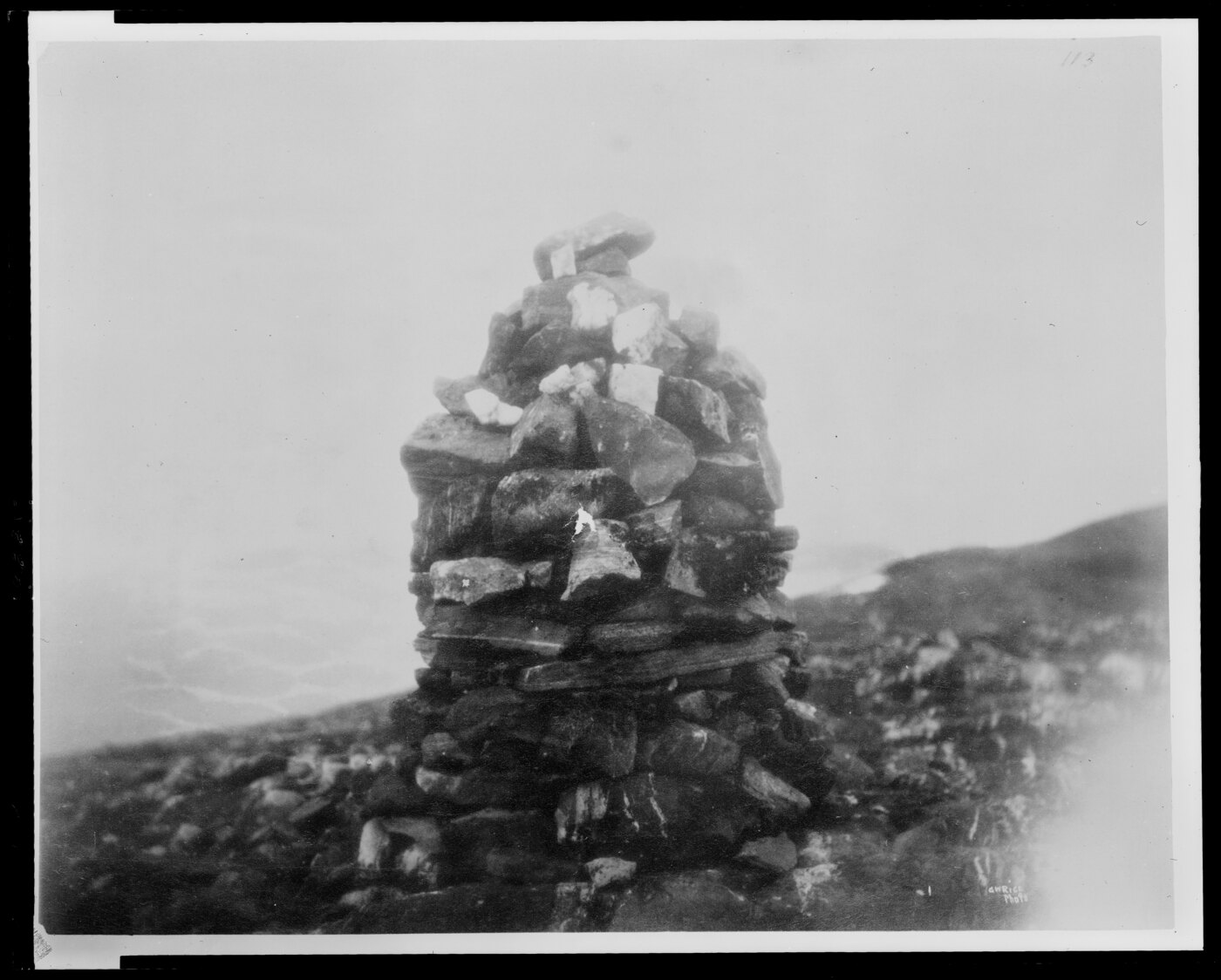
I’ve lived through this question at many moments of my life, including the present one. As a music producer, I’ve spent over 200 hours spanning 8+ months working on my next album and it’s still not done. As a startup founder and product builder, I’ve spent over 6 months building a product and growing a business that has only gotten 100 or so installs and a dozen or so active users. The glacial pace of progress, the constant pressure of the middle phase, and the uncertainty of reaching the end are hard to live with. The tension of these moments can be agonizing. Many weeks I struggle, hardly act, doubt, and want to give up. We must live the question by recognizing the unanswerable nature of the situation we are in AND act anyway.
As humans we tend toward optimism and assume we’ll succeed in the challenges we take on. And yet we also build contingency plans, exit strategies, excuses, and optionality for when things don’t work out, just like Greely and his crew did.
The science of goal pursuit offers mental models for navigating any long arc.
- You don’t just set goals but rather pursue them through decision points, multiple stages and emotions. Model of Action Phases vividly labels the transition from deliberation to action as crossing the Rubicon.
- Rarely is a goal pursuit linear. An action crisis describes the lulls where doubt spins and motivation falters, which can happen because we aren’t making progress, aren’t feeling aligned with our goal anymore, or because we are stuck in the middle.
- Ostrich instinct labels when and why we avoid checking progress and data that might tell us where we are.
- There are strategies for setting goals and a body of work on navigating the long arc once you’ve named it.
But what most of this literature misses is the diagnostic itself: How do you know what phase you’re in? These typical goal techniques assume we know or can figure out what phase we are in. They don’t offer a way to live the question and make no-regret moves when we are in the midst of phase ambiguity.
Principle 1: You usually can’t tell from inside which phase you’re in. Data from inside doesn’t tell you which situation you’re facing. Only the future disambiguates. Even quitting doesn’t tell you if you should have persisted, because quitting gives you no knowledge of the phase you were in or the contours of the maze you were inside. You simply stopped pursuing or exploring. Greely held the same structured, optimistic posture through Year 1 and Year 3. He had to assume they’d be rescued. Both situations presented the same face. The posture happened to align and fit one but not the other. The verdict only exists now, looking back. It was never available to them in the moment.
Principle 2: Wrong-phase strategy actively harms. Startup founder culture prescribes two confident, opposite phase-reads: never give up and kill it fast. When things are hard, grind culture says push through. The lean-startup version says kill it off, pivot fast, move fast and break things. Both are high-confidence phase-reads dressed up as best practices and virtues. Both ignore the diagnostic problem that from the inside, you can’t tell which phase you’re in. Humility and sitting with the uncertainty are the actual moves.
Principle 3: Do the things that pay off in both phases — the no-regret moves. Sometimes we have to stop trying to resolve the unresolvable or answer the unanswerable. We must resolve to act in ways that are useful and meaningful in either situation. Seek out and embrace no-regret moves.
We saw Greely’s no-regret moves at Camp Clay — the halved rations, the supply parties, the held command, the moments of companionship and beauty. None of them resolved his diagnostic question. They earned their keep regardless.
For a founder, you should talk to your users, ship small, iterate in a way that gives you more data and signals, protect your runway, maintain a family and social life, and protect your health.
At the meta level, the pursuit itself can be no-regret. As a product builder, I embrace the craft of building. My latest product, Playback Pilot has taught me Flutter on a local-first stack, designing tools for human empowerment, and the craft of navigating the arc of creative finishing. Whether or not it works as a venture thesis and business, the skills, the craft, the building, and the philosophy compound regardless of whether it succeeds or fails. Furthermore, as a music producer, building this app has made me more self-aware of my creative process and how to support my middle and finishing phases. Most of our goals should be worthy of doing as an activity regardless of the outcome.
At the Farthest North
Greely’s crew reached their Farthest North in May 1882. Lockwood and his small party extended the known coast of Greenland by a hundred miles. Along with their continued measurements and photo record, they achieved and celebrated one of their stated mission goals. As they lamented the non-arrival of their resupply and later rescue, they continued to take measurements, explore, map and make more discoveries, including new fjords and ice passages. They were having the kind of year an expedition lives for. None of them knew this was the peak of the whole arc. None of them knew or assumed that two years later, nineteen of them would be dead.
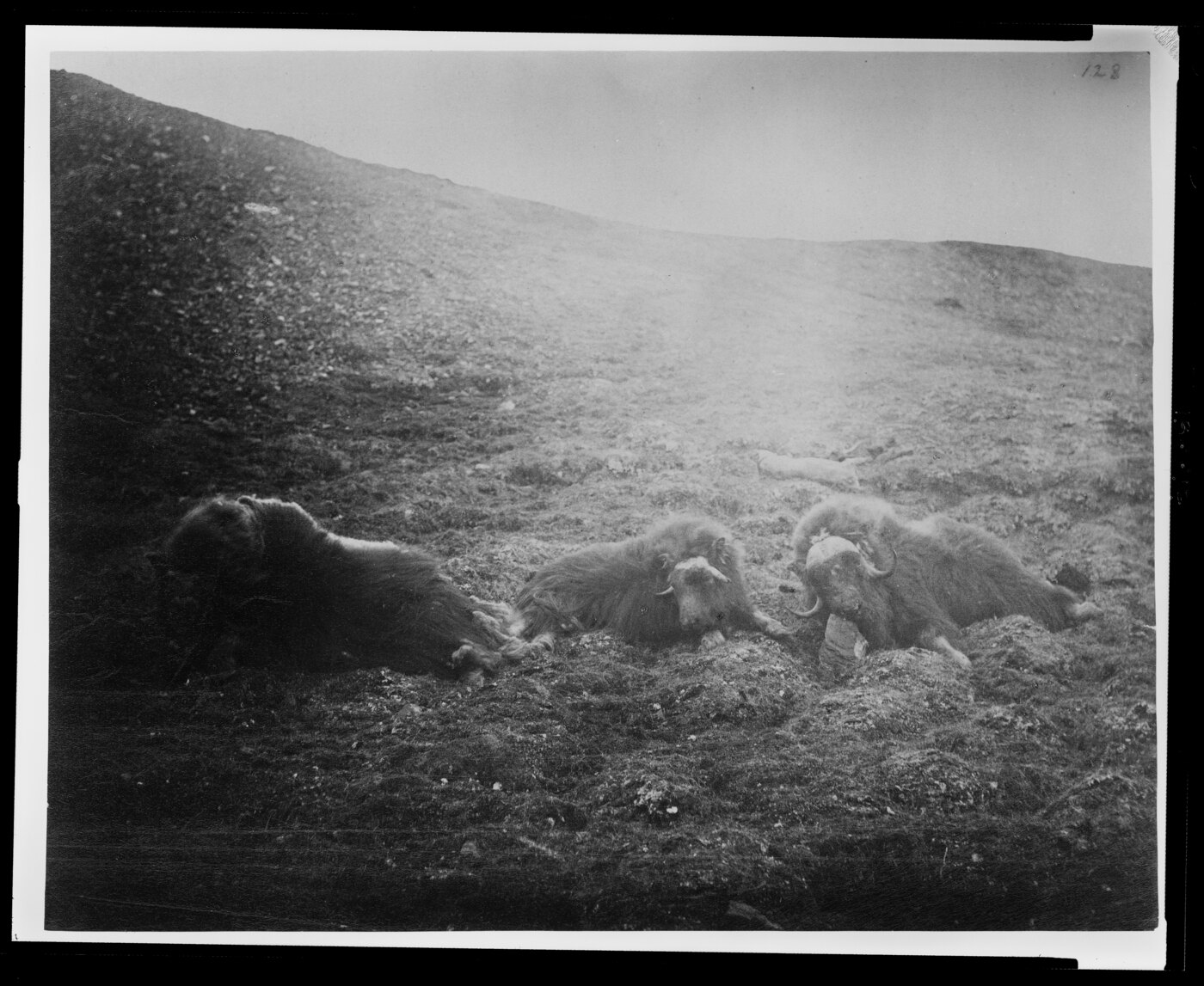
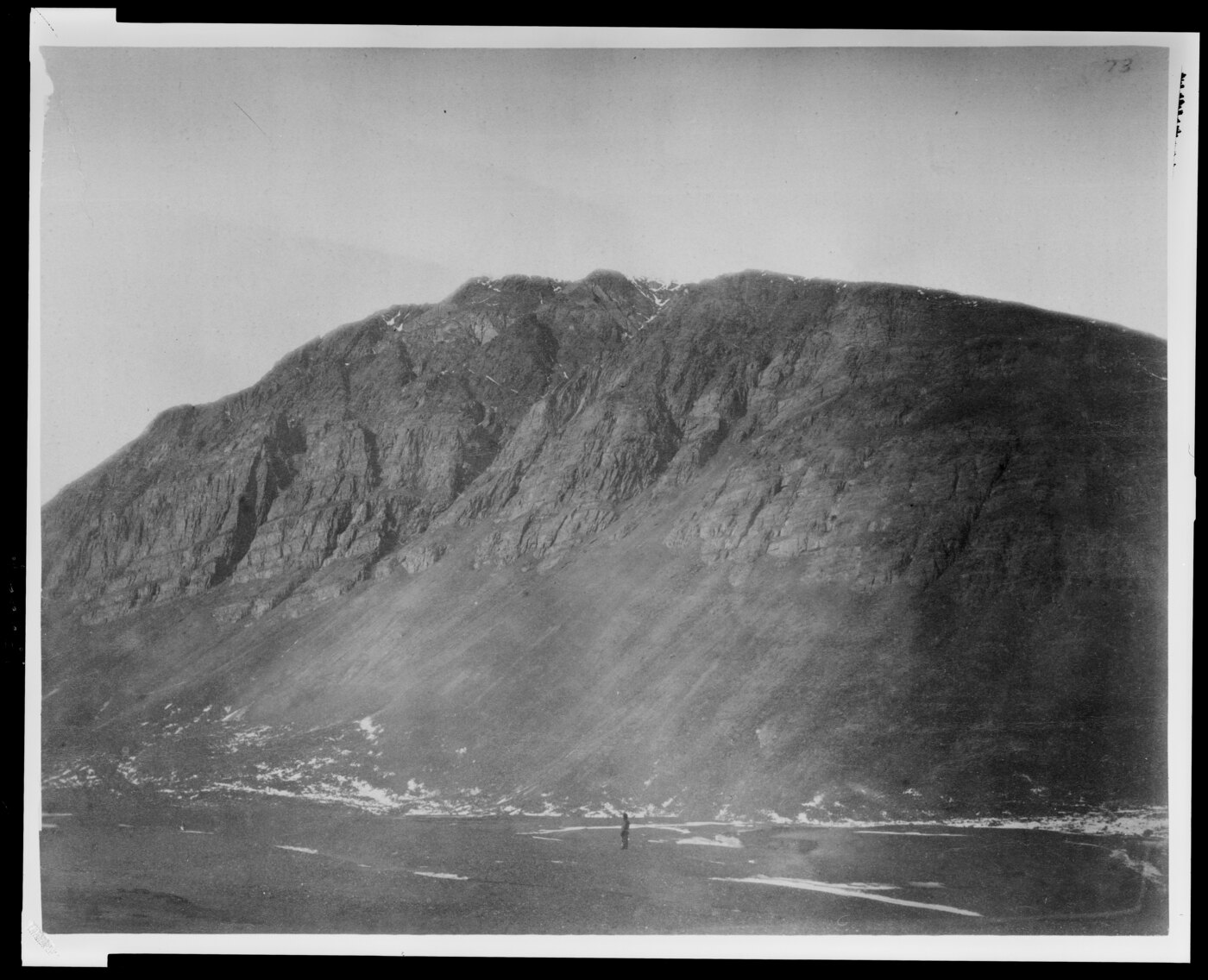
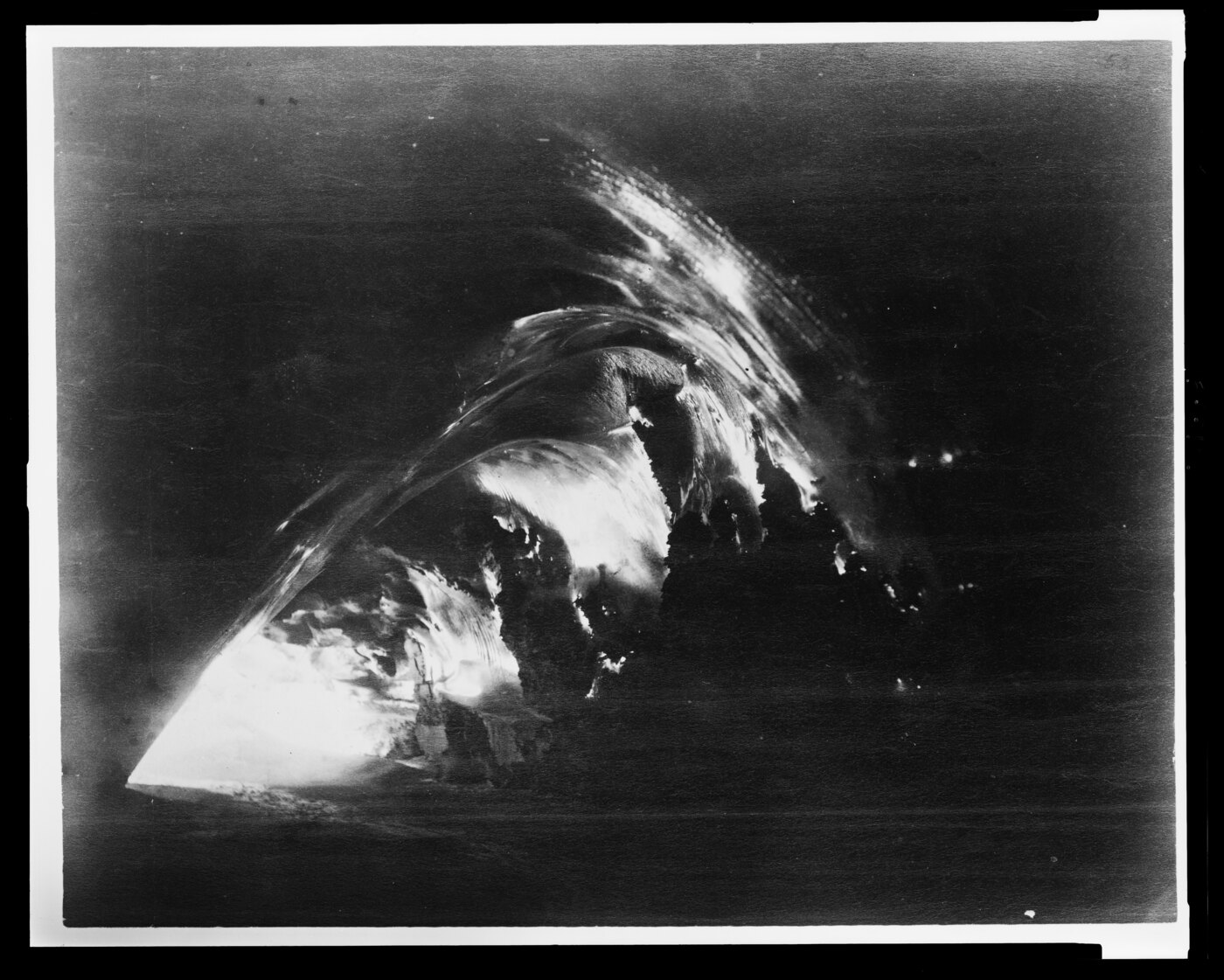
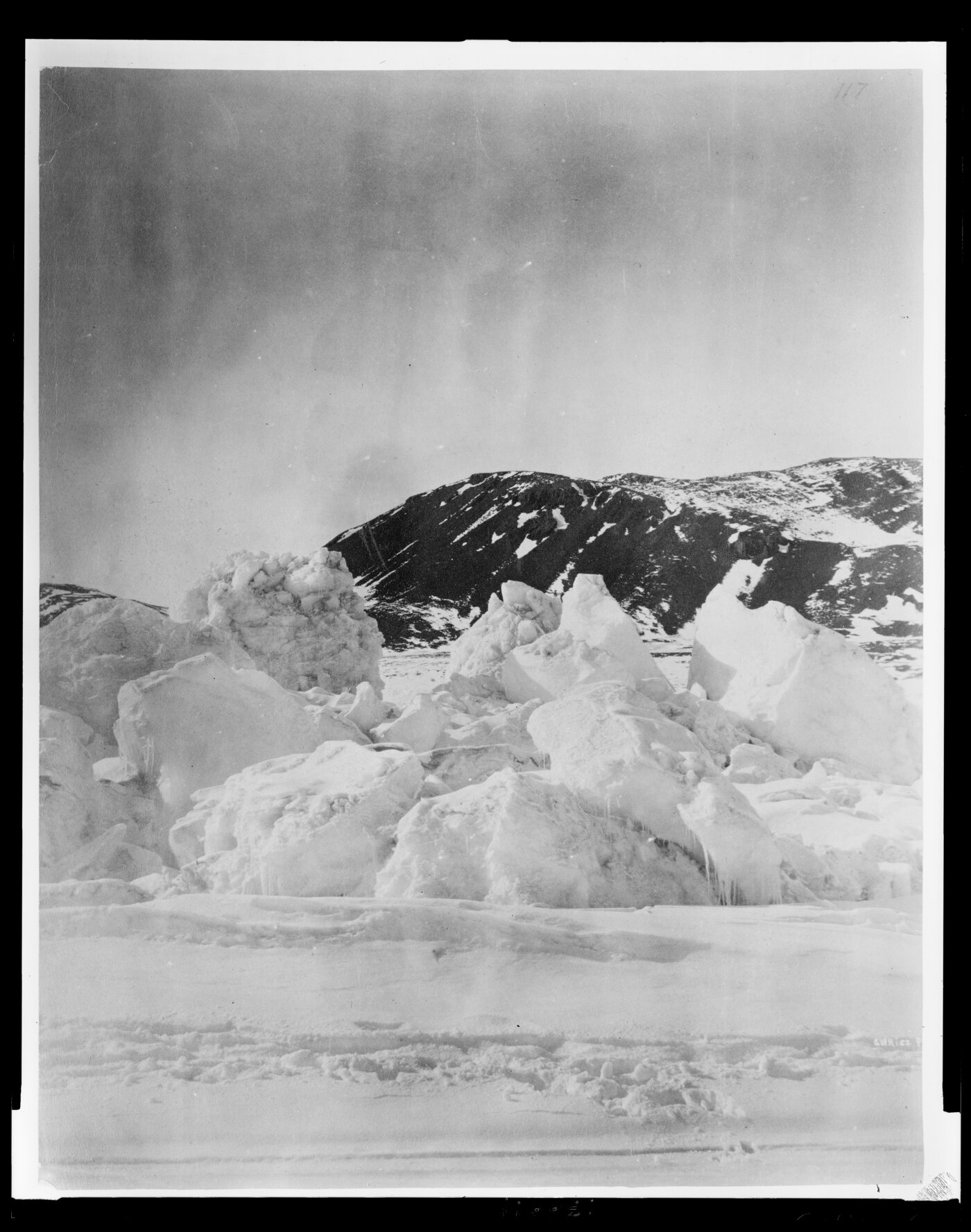
One of those men was Sgt. George W. Rice, the expedition’s photographer, who took nearly every photograph in this post. A Canadian civilian given a sergeant’s rank, he was the first person to photograph this stretch of the Arctic and made over a hundred images of it. On April 9, 1884, he died of exhaustion and starvation while out after a cache, ten weeks before the relief ship arrived. The record of the good year was made by a man who turned out to be in the desperate end.
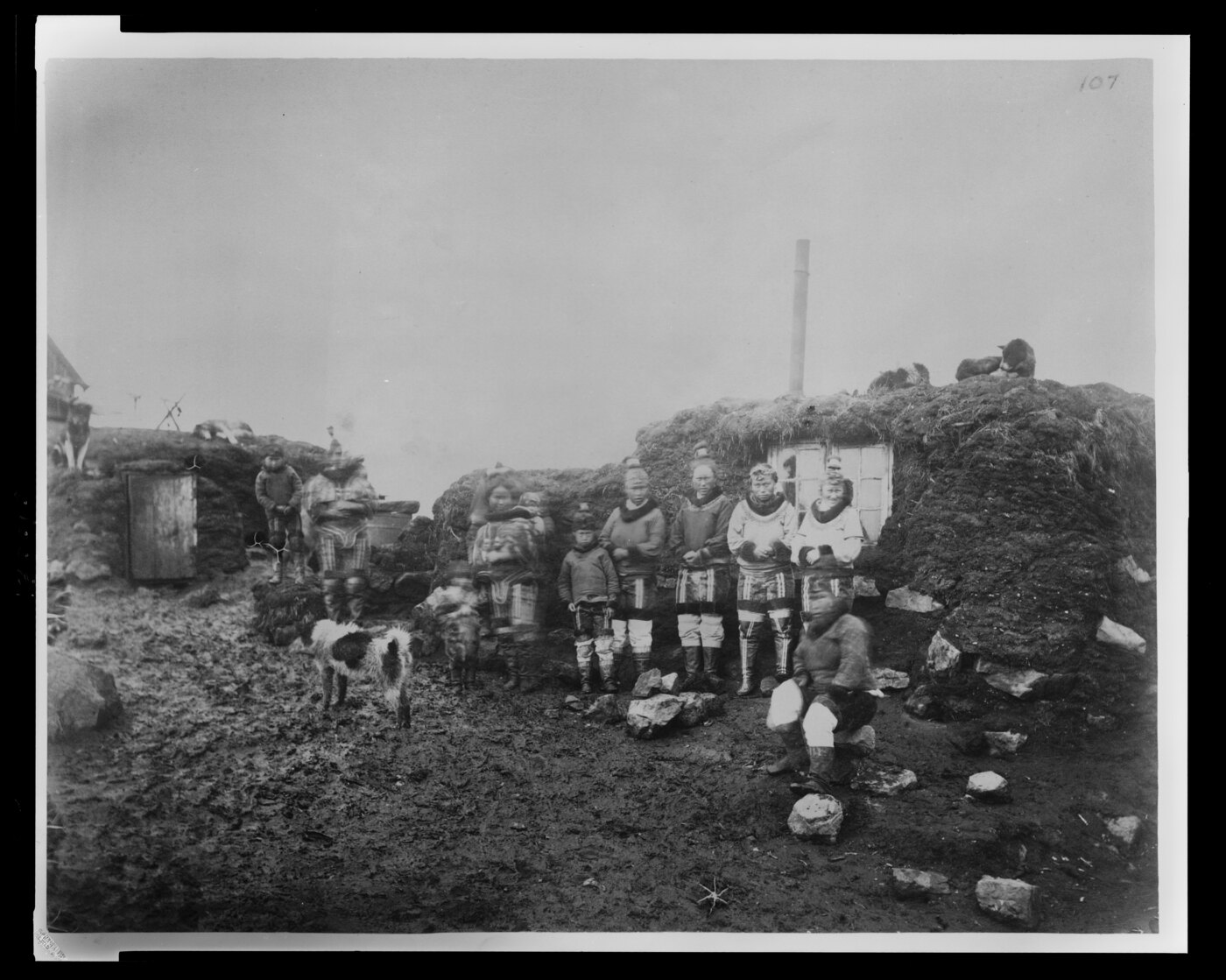
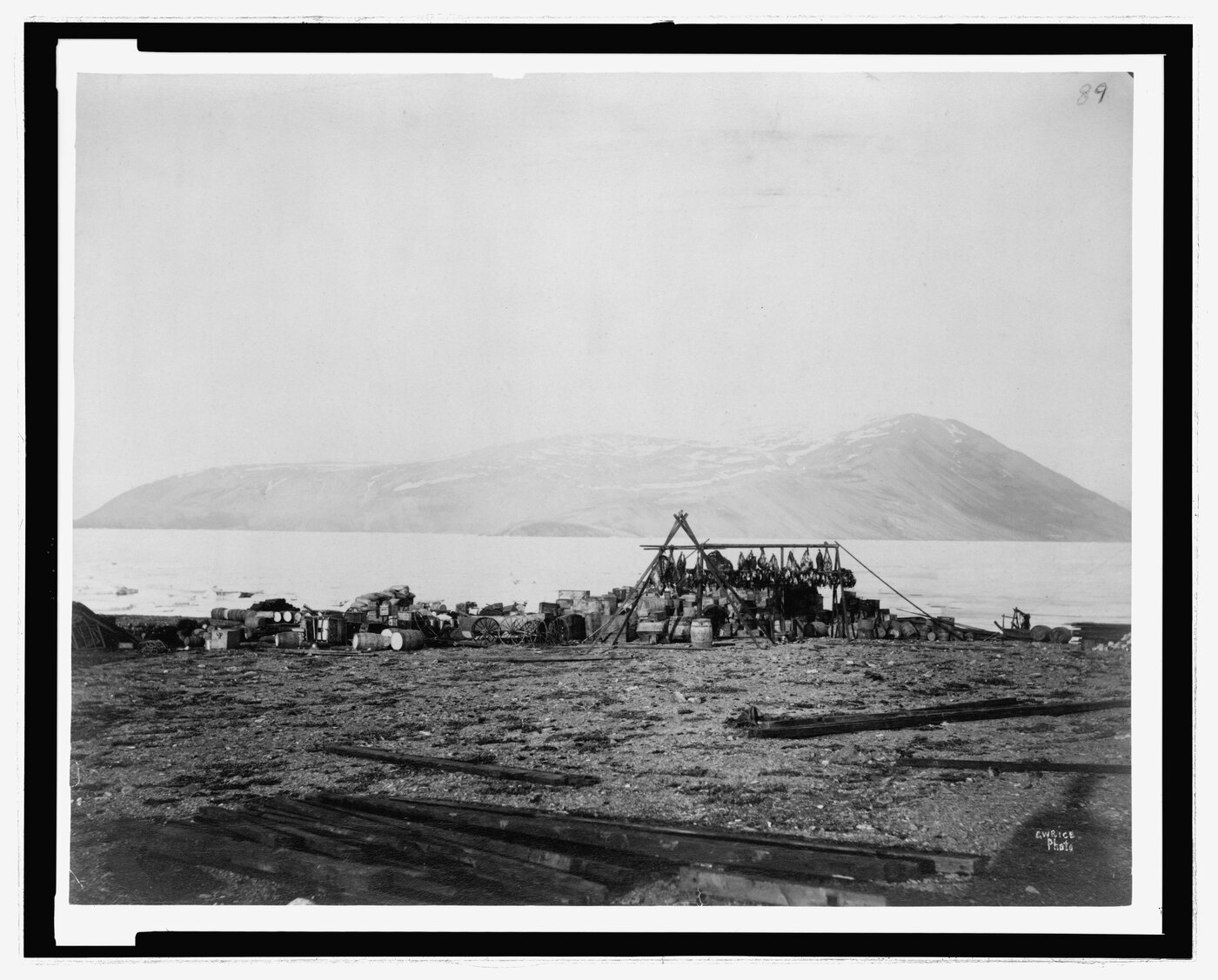
The diagnostic problem is that you can recognize an achievement when you reach it, but what you can’t see is its context — where it sits in the longer arc. You can’t see your peak as the peak when you’re at it. You can’t see your middle as the middle when you’re in it. You can’t know it’s your end until it’s already behind you. This is the universal truth of any long-arc pursuit.
The hardest part of a long-arc project isn’t the middle. It’s not knowing whether you’re in the middle or already at the end.
The goal-pursuit literature assumes that you can answer that question, that you can know what phase or situation you are in, and that you can match your strategy and actions to your phase. Greely’s expedition and crew teach us that diagnosis and goal phase identification are nearly impossible from the inside. As goal pursuers, creatives and startup founders, we often seek reassuring signals or comforting platitudes to navigate similarly unanswerable questions.
Is this the long middle or the desperate end? From inside, the same evidence fits both stories. You can’t predict. Only the future disambiguates. Until then, we need to pace ourselves, take a stance that accepts uncertainty and doesn’t depend on the answer, and act in a way that works for either.
In a long-arc pursuit, rarely do we know when we’ve reached our farthest north, at least not from inside and especially when we are in the middle of the journey. Floating situationally and emotionally in these seas of uncertainty, our best and often only moves are the ones that pay off either way, while we let time do the rest.
Related Reading
Goal Pursuit Series (my posts):
- The Unemployed Explorer: the companion essay on Ruth Harkness, who reached her goal, and the phase after the win
- Multi-Stage Goal Pursuits: the Rubicon model of goal phases, from deliberate to plan to act to evaluate
- Stuck in the Middle: midpoint motivation collapse and how to design for it
- The Ostrich Problem: why we avoid checking progress on goals we care about
- The Science of Goals: an overview of the goal-science literature
- Producer Pipelines: on the Playback Pilot blog, the music producer’s version of phase identification
Books on finishing and long arcs:
- Finish by Jon Acuff: perfectionism as the enemy of finishing, my review
- Grandma Gatewood’s Walk by Ben Montgomery: Emma Gatewood’s solo Appalachian Trail hike at 67, another long-arc story of uncertain outcome and quiet endurance
- Slow Productivity by Cal Newport: natural pace and doing fewer things, the marathon-pacing register for long horizons, my review
Sources
Written:
- Labyrinth of Ice by Buddy Levy (2019): the narrative retelling of the Greely Expedition this post draws on
- Three Years of Arctic Service by Adolphus Greely (1886): his own account, free at the Internet Archive
Photographs:
Every historical photograph in this post is in the public domain. Most were taken by Sgt. George W. Rice (1855–1884), the expedition’s photographer, and are held by the Library of Congress. The relief ship Proteus is from NOAA. The six survivors aboard USS Thetis is a U.S. Navy photograph, NH 1608, from the Naval History and Heritage Command. All are reproduced via Wikimedia Commons. The Proteus photograph has been desaturated to match the others, which are black and white. No other alterations have been made beyond cropping and resizing.
AIDA (AI Disclosure Acknowledgement): This blog post was researched and written by the author. AI tools (Claude Code) were used to assist with structural scaffolding, editing prose, surfacing source material from prior notes, and proof reading. The cover image was generated with Gemini.